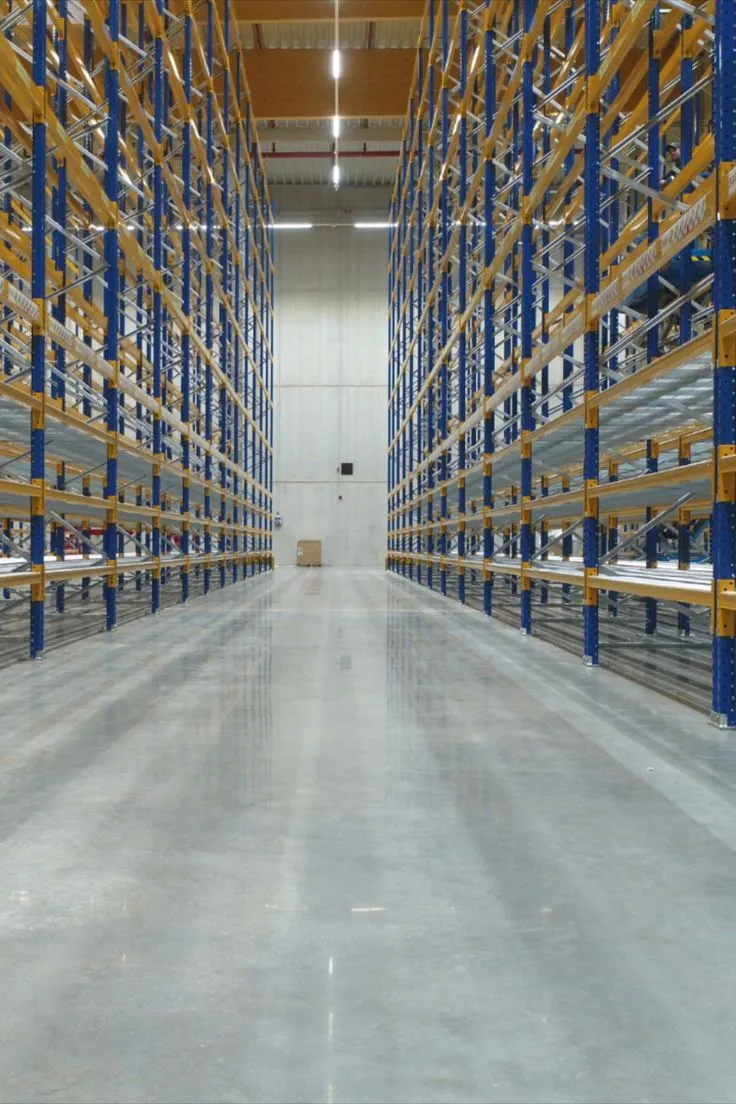
Food distribution facilities combine the traffic demands of a warehouse with the housekeeping expectations of a food-handling environment. Pallets, forklifts, packaged products, refrigerated goods, returns, damaged containers, and cleaning equipment may all move through the same building. This creates a floor-planning challenge that is different from either a conventional warehouse or a production kitchen. Flooring can support clearer operational zones when its surface, markings, texture, and maintenance requirements are coordinated with how products move through receiving, storage, picking, and dispatch.
Start With Product Movement
Before selecting a flooring system, managers should understand how products travel from the loading dock to storage and eventually back toward shipping.
Fast-moving items may follow busy forklift routes, while refrigerated or higher-care products can pass through separate sections. Returned or damaged goods may also need temporary holding areas away from normal inventory.
Mapping these movements helps identify where traffic is concentrated and where clear visual boundaries could support more organized operations.
Segregation Needs Clear Boundaries
Food warehouses may separate products for operational reasons such as temperature requirements, damaged packaging, cleaning status, or internal handling procedures.
Facilities evaluating Warehouse Resin Flooring In Nj can use a resurfacing project to review whether existing floor markings still correspond with the way inventory is actually managed.
Color-coded lines or clearly defined staging zones can support established procedures, but the visual system should remain simple. Too many colors or overlapping markings can make the floor harder to interpret rather than easier.
Damaged Packages Create Localized Exposure
Unlike many ordinary warehouses, food distribution centers may occasionally deal with leaking bottles, broken containers, oils, syrups, beverages, or other packaged products.
These spills can create cleaning challenges if they reach cracked or porous concrete. A continuous resinous surface can make localized cleanup more manageable, particularly when the underlying slab has been properly prepared.
Managers should identify which products are most likely to leak and where damaged goods are normally handled so those zones receive appropriate flooring attention.
Receiving Areas Face Mixed Conditions
Receiving docks can combine forklift traffic with outside dirt, rainwater, pallet debris and incoming products. The floor may therefore experience mechanical abrasion and moisture at the same time.
Surface texture should provide practical traction without becoming unnecessarily difficult to sweep or scrub. Dock approaches may require a different balance from dry storage aisles farther inside the building.
Housekeeping also matters because grit carried beneath forklift tires can increase abrasion even on a durable resinous surface.
Food-Oriented Areas May Need Different Priorities
Some distribution facilities include repacking, handling, preparation, or sanitation areas in addition to conventional storage.
When considering Food And Beverage Flooring Services In Nj, managers should distinguish these higher-cleaning zones from ordinary warehouse aisles. Areas exposed to frequent washdowns, food residues, or stronger cleaning products may need different resin chemistry or texture.
The objective is not to apply the most demanding specification across the entire building, but to match flooring performance to realistic exposure.
Forklift Routes Still Drive Wear
Product segregation does not remove the basic mechanical demands of distribution. Forklifts and pallet jacks continue to place stress on joints, turning areas, rack ends, and staging zones.
Floor markings work best when the surface beneath them is stable. Dusting concrete, failing patches, or damaged joints can make visual zoning harder to maintain.
Mechanical preparation and appropriate concrete repair should therefore come before the final resin system and striping are installed.
Returns Areas Deserve Attention
Returned products can introduce unusual conditions because packaging may already be damaged or contaminated. These areas may require more frequent inspection and cleaning than ordinary storage locations.
Clearly defined returns or quarantine zones can make it easier for employees to understand where such products should be placed while they are evaluated.
The flooring in these areas should remain accessible for cleaning rather than being permanently blocked by pallets or unused inventory.
Maintenance Can Follow Operational Zones
Once the facility is divided into meaningful zones, maintenance can follow the same structure. Receiving docks may need frequent debris removal, spill-prone handling areas may require closer cleaning checks, and high-turning forklift routes can receive more regular wear inspections.
Managers can also document recurring problems by location. If one staging area repeatedly develops coating damage or difficult-to-clean spills, the pattern may indicate that its flooring or operating procedure deserves review.
Conclusion
Food distribution warehouses require flooring that supports both industrial movement and organized product handling. Receiving docks, storage aisles, damaged-goods areas, refrigerated sections, and higher-cleaning zones can create very different demands within the same building.
A stronger flooring strategy begins by mapping those operational differences. Durable resin systems, clear visual zoning, appropriate texture, proper substrate preparation, and zone-based maintenance can work together to create a more manageable facility. Rather than viewing the entire warehouse as one uniform floor, managers can plan surfaces around how food products actually enter, move through, and leave the building.