Why Annapurna Circuit Trek Is Every Photographer’s Dream Destination
The Annapurna Circuit Trek has been one of the most life-changing destinations for photogs due to having such a fantastic blend of great vistas, rich culture, and that unpredictable nature. Each point along the way offers scenic photo opportunities; witness serene villages, historical monasteries, iconic snow-capped Himalayas, and diverse mountain scenery. Walking Dawn in the Annapurna is for professional photographers or those who want to have beautiful memories on their journey.
Natural splendor and cultural richness streaks, including the Annapurna, Dhaulagiri, Manaslu, and other mountains, surround it. From snow-covered summits and deep valleys to glaciers and rough landscapes, creating powerful compositions all along the road. Each viewpoint portrays a different aspect, which allows the audience to grasp the magnificence and scale of the Himalayas. The unique changing light—the Annapurna Circuit Trek is an absolute photography lover’s dream destination.
Capture Dramatic Himalayan Mountain Views
One of the primary reasons why photographers are drawn to the Annapurna Circuit Trek is, of course, the stunning Himalayan scenery. This amazing trail leads to the impressive views of some of the tallest peaks in Nepal, including Annapurna, Dhaulagiri, and Manaslu, along with many other mountains around.
Snowy mountaintops, bottomless valleys, glaciers, and scratching landscapes are crafting powerful compositions during the travel. Each perspective gives rise to another, and photographers get perfect chances to capture the beauty and scale of the Himalayas. The various conditions of light that play over the mountains provide infinite opportunities for amazing landscape photography.
One Trip, Many Scenes
The Annapurna Circuit Trek cost is one of the few trekking routes that offers such a diversity of landscapes. Photographers can experience and capture those views of green hills, dense forests, flowing rivers, terraced farmland, alpine meadows, rocky valleys, and high-altitude desert environments all in one trip.
The dynamic change from one ecosystem to the next provides a spectacle that is always novel. You see a new palette of colors, textures, and landscapes every day. The route is a photographer’s paradise for the adventurer wanting to traverse different environments. Such great diversity helps tourists piece together a full pictorial story of Nepal’s natural wonder.
Photograph Authentic Himalayan Villages
Innumerable cultural photography opportunities lie within the traditional villages of the Annapurna Circuit Trek. This journey meanders through communities where the ancient way of life, indigenous architecture, and unique customs are woven into the fabric of everyday living. Things like stone houses, prayer flags, monasteries, people working in fields, and helpful local communities—all of them serve as very meaningful photography subjects. It takes taking human moments of this to describe the character of the Himalayas beyond just mountain scenery. Beyond the breathtaking sights, the cultural level of richness adds emotion to your photos and indelible memories for your travels.
Capture Absolute Uniqueness of Himalayan Sunrises and Sunsets
The sunrise & sunset are some of the most heavenly times for photography on the Annapurna Circuit Trek. The different colors of the sky create scenes as sunlight dances over snowy mountaintops and valleys. Visually stunning golden light over the Himalayas is particularly available at locations around Manang, Thorong La Pass, and also viewpoints for the Mustang region. Photographs taken under morning and evening hours usually have a diffuse, atmospheric quality since the lighting goes vertical at these times. In these instants, mundane landscapes end up becoming unforgettable images.
Travel and Tale
Annapurna Circuit Trek: Thorong La Pass, Annapurna Mountain Range, Nepal. Thorong La Pass is one of the most famous photography spots in the Annapurna Circuit Trek. The pass is at a much loftier altitude and provides incredible panoramic views of the nearby Himalayas. Sensational location, multicolor prayer flags, pristine area, and that feeling of success result in image capture. It’s tough going to reach the pass, but photography on the Annapurna Circuit trek is not all about landscapes.
The route provides you with religious traditions, festivals, local crafts, and the everyday life of mountain people. Himalayan culture: Buddhist monasteries, prayer wheels, and villagers in traditional clothes explain the contents of Himalayan villages. Photographers can shoot the rare sight of beautiful nature and see what conquering one of Nepal’s most famed mountain crossings potentially tugs at their heartstrings.
Document Rich Himalayan Culture
While the Annapurna Circuit Trek is known for its landscapes, photography does not always mean that you are taking pictures of just landscapes. It offers scope for photographing spiritual customs, religious ceremonies and festivals as well as village crafts and mountain life. Features of identity are Scanner, Buddhist monasteries, spinning prayer wheels, clothing Traditional wear or dress forms a beautiful shape with culture, through which we explore a little understanding of these striking villages’ celebrations.
Respectful photography, of course, can save these moments loaded with meaning and enhance tourists’ appreciation for the region’s intricacies with respect to the links between people, nature, and spirituality. These cultural sights often end up being some of the best memories had throughout the entire trek.
Enjoy Wildlife and Nature Photography
The Annapurna Circuit trek is also best for nature and wildlife photography. It goes through places with incompatible ecosystems where trekkers may experience birds, rare plants, timberlands, and creature types. Use those terrific changing environments to have some details other than the famous mountain peaks. Photographers can capture the diversity of Nepal through their lenses, starting from colorful forests in lower regions and climbing towards rare alpine landscapes at higher elevations. Such smaller moments provide balance to a trekking photography portfolio.
Perfect Conditions for Travel Photography
Travel Photography – The Annapurna Circuit Trek is a different proposition for your travel photography—each stage of this journey has its own story to tell. Together the landscape and culture and people and adventure all form a full package of visual input.
Photographers can document the difficulties of trekking in the mountains, serene village scenes, and interactions with local people. Lightweight gear, camera protection from changing weather, and carefully planned shooting times can allow travelers to maximize the experience. Countless unforgettable scenes await those with patience and imagination on this route.
What are the best seasons for photographing the Annapurna Circuit?
Photography tip: Pick the right season for the trip. Autumn is revered for pristine skies, stunning mountain visibility, and crisp views of the Himalayas, which makes it a favorite time for landscape photographers. Spring has lots of colorful rhododendron forests, the weather is very nice, and nature is also at its vibrant best. Winters create amazing snow-capped landscapes, and monsoons bring along with them lush greenery and unique weather. v Each season offers its own range of photographic opportunities, allowing travelers to select the adventure that best suits their creative aspirations.
Prepare a Story of Himalayas in Form of Pictures
The Annapurna Circuit Trek is the ultimate dream location for any photographer, because it serves up so much more than just stunning mountains. To travel with it is to experience the full arc of shifting landscapes, varied cultures, wildlife ranges, and alpine highlights.
Sunrise over snow-capped mountains, traditional village scenes, and high mountain passes fill every step with a new story to capture. The Annapurna Circuit Trek continues to be one of Nepal’s most rewarding journeys for photographers looking for adventure and authenticity on their journey and, more than ever, creative images.
Slot Gacor: Exploring the World of Online Slot Entertainment
Introduction
The keyword slot gacor has become one of the most popular search terms in the online gaming industry. Players frequently use this phrase when discussing slot games that seem exciting, entertaining, or capable of delivering frequent winning moments. While the term originated in Indonesia, it has gained international recognition as more people discover online slot games through mobile devices and digital gaming platforms.
Although many discussions surrounding slot gacor focus on player experiences, it is essential to remember that licensed online slots are designed using certified Random Number Generator (RNG) technology. Every spin is random, independent, and unaffected by previous results. Understanding this technology allows players to approach online gaming with realistic expectations while enjoying the entertainment these games provide.
The Growing Popularity of Slot Gacor
Online gaming has expanded dramatically during the last decade. Faster internet connections, improved smartphones, and innovative software have made slot games accessible to millions of people around the world.
As more players joined online communities, terms such as slot gacor became increasingly common. Today, gaming forums, blogs, livestreams, YouTube channels, and social media groups regularly feature conversations about trending slot games, new releases, exciting bonus features, and memorable gameplay experiences.
The popularity of the keyword reflects the growing interest in online slot entertainment rather than indicating any guaranteed outcome.
What Players Usually Mean by Slot Gacor
When someone refers to a slot gacor, they are generally expressing their personal opinion about a particular game.
A player may describe a slot as gacor after experiencing:
Frequent bonus rounds.
Several consecutive winning combinations.
Interesting special features.
Entertaining gameplay.
Large multiplier opportunities.
Exciting free spin sessions.
However, another player may have a completely different experience with the same game because every outcome is determined independently by RNG software.
For this reason, slot gacor should always be viewed as a community expression rather than a technical characteristic of a slot machine.
Understanding the Mathematics Behind Slot Games
Modern online slots are carefully designed using mathematical models developed by experienced game designers and software engineers.
Every slot contains predefined probabilities that determine how symbols appear on the reels. These probabilities work together with RNG technology to create random outcomes while maintaining the game’s theoretical Return to Player (RTP).
Although players cannot predict individual spins, the mathematics behind each game ensures that the software operates consistently according to its certified design.
Gaming regulators require licensed developers to submit their games for independent testing before they become available to the public.
Random Number Generator Explained
The Random Number Generator is the core technology behind every licensed online slot.
Rather than waiting for a player to press the spin button, the RNG continuously generates random numerical sequences every millisecond.
The instant a spin begins, the software selects one of those values and converts it into a reel position.
This process happens so quickly that the result is determined almost instantly.
Because the RNG continuously generates new values, no player can predict or influence future outcomes.
This technology protects fairness while ensuring that every participant receives the same random opportunity regardless of previous results.
Why Every Spin Is Independent
One of the biggest misunderstandings surrounding slot gacor involves the belief that previous spins influence future outcomes.
In reality:
Winning does not increase the chance of winning again.
Losing does not increase the chance of a future payout.
Changing games does not reset probabilities.
Playing longer does not improve mathematical odds.
Increasing or decreasing wagers does not alter RNG calculations.
Each spin begins with an entirely new random calculation, making every result independent from everything that happened before.
Return to Player (RTP)
Return to Player remains one of the most important statistics when comparing online slots.
RTP represents the long-term percentage of all wagers theoretically returned to players over millions of spins.
Games with similar RTP values may still provide completely different experiences due to differences in volatility, bonus frequency, and game mechanics.
Because RTP is calculated across enormous sample sizes, individual gaming sessions rarely match the published percentage exactly.
Understanding RTP helps players compare games without assuming guaranteed short-term results.
Volatility Creates Different Experiences
Every slot game is designed with a specific volatility level.
Low-volatility games generally produce smaller but more regular payouts, creating longer gameplay sessions.
Medium-volatility slots balance payout frequency with prize size, making them attractive to many players.
High-volatility games often require greater patience because winning combinations occur less frequently, although successful payouts may be considerably larger.
Developers intentionally create different volatility profiles so players can choose games that match their entertainment preferences.
Modern Slot Features
The evolution of slot gaming has introduced numerous exciting mechanics.
Free spins remain one of the most popular bonus features because they extend gameplay without requiring additional wagers during the feature.
Wild symbols replace standard symbols to complete winning combinations.
Scatter symbols activate bonus rounds regardless of their reel position.
Multiplier features increase payout values during specific events.
Avalanche mechanics remove winning symbols and replace them with new ones for consecutive opportunities.
Cluster-pay systems replace traditional paylines by rewarding groups of matching symbols.
Megaways technology dynamically changes reel layouts to create thousands of possible winning combinations.
Interactive bonus games encourage players to make choices that influence bonus rewards.
These innovations continue making online slots more engaging than traditional mechanical machines.
Visual Design and Storytelling
Game developers invest significant resources into visual quality.
Modern slot games often include cinematic introductions, animated characters, voice acting, orchestral soundtracks, and detailed environments.
Many games tell complete stories that unfold through bonus rounds and special events.
Themes range from ancient civilizations and mythical legends to futuristic adventures and underwater exploration.
These creative elements transform slot games into interactive entertainment experiences.
Mobile Gaming Revolution
Mobile technology has completely changed how people access online slot games.
Responsive game design allows players to enjoy identical gameplay across smartphones, tablets, and desktop computers.
Touchscreen controls have simplified navigation while maintaining high-quality graphics and smooth animations.
Cloud technology and faster mobile networks continue improving loading speeds and overall performance.
Many software providers now design games primarily for mobile users before adapting them to desktop platforms.
Responsible Gaming Practices
Responsible gaming remains one of the most important aspects of online entertainment.
Players should always establish clear budgets before beginning a gaming session.
Gaming should remain an enjoyable recreational activity rather than a financial strategy.
Setting time limits helps maintain a healthy balance between gaming and daily responsibilities.
Many licensed platforms provide responsible gaming tools, including deposit limits, cooling-off periods, and self-exclusion options.
Taking advantage of these features helps promote positive gaming habits.
Choosing Licensed Gaming Platforms
Not all gaming websites offer the same level of security or transparency.
Licensed platforms typically provide independently certified games, encrypted payment systems, secure account protection, clear privacy policies, and responsive customer support.
Reputable platforms also display licensing information from recognized regulatory authorities and regularly audit their gaming software.
Choosing trusted operators contributes to a safer online gaming experience.
The Future of Slot Gaming
Technology continues reshaping the online gaming industry.
Artificial intelligence may personalize game recommendations according to player interests.
Virtual reality could create fully immersive casino environments where players interact naturally with digital games.
Augmented reality may blend physical surroundings with interactive slot experiences.
Blockchain technology has the potential to improve transaction transparency in jurisdictions where it is supported.
Game developers are also expected to introduce increasingly advanced animations, realistic sound effects, and interactive storytelling that blur the line between traditional gaming and digital entertainment.
Final Thoughts
Slot gacor has evolved into a globally recognized phrase among online gaming enthusiasts. While players often use the term to describe exciting or rewarding gameplay, it should not be interpreted as evidence that a game is guaranteed to produce specific outcomes.
Licensed online slot games operate using certified Random Number Generator technology, ensuring fairness and randomness on every spin. By understanding concepts such as RTP, volatility, game mechanics, and responsible gaming, players can enjoy online slots with realistic expectations and a greater appreciation for the technology behind them.
As online gaming continues to innovate, slot gacor will remain a popular keyword that reflects player enthusiasm, community discussions, and the ever-growing appeal of modern slot entertainment.
How Blog Research Tools Work: A Complete Guide for Bloggers
Creating successful blog content requires more than just writing skills. Bloggers need accurate information, relevant topics, audience insights, keyword understanding, and reliable data to create content that attracts readers and performs well in search engines. This is where blog research tools become valuable.
Blog research tools help writers discover content ideas, analyze search trends, understand audience interests, find relevant keywords, study competitors, and improve overall content quality. These tools simplify the research process by collecting and organizing large amounts of information that would otherwise take hours to analyze manually.
In today’s competitive blogging environment, using the right research methods can help bloggers create more useful, engaging, and search-friendly content. Understanding how blog research tools work allows creators to make better decisions and develop a stronger content strategy.
What Are Blog Research Tools?
Blog research tools are digital platforms or software solutions designed to help bloggers collect information and analyze data related to content creation. These tools support different stages of blogging, including topic discovery, keyword research, audience analysis, content planning, and performance tracking.
Instead of randomly selecting topics, bloggers can use research tools to understand what people are searching for and what type of content performs well.
These tools do not replace creativity. Instead, they provide valuable insights that help writers create content based on audience needs and current trends.
How Blog Research Tools Work
Blog research tools work by collecting and analyzing information from different sources, including search behavior, online trends, user interactions, and content performance data.
When a blogger enters a topic, keyword, or industry-related term, the tool processes available data and provides insights such as search popularity, competition level, related topics, and content opportunities.
Many tools use algorithms and databases to identify patterns in online behavior. These patterns help bloggers understand what audiences are interested in and how they can create content that provides better answers.
Finding New Blog Topic Ideas
One of the biggest challenges for bloggers is finding fresh and valuable content ideas.
Blog research tools help solve this problem by showing popular searches, trending discussions, frequently asked questions, and related topics.
Instead of guessing what readers want, bloggers can identify topics based on actual user interests.
For example, a technology blogger can discover popular discussions about artificial intelligence, software updates, or digital tools. Similarly, a travel blogger can find trending destinations, travel concerns, or seasonal topics.
This approach helps create content that has a higher chance of attracting readers.
Understanding Keyword Research
Keywords are an important part of search engine optimization. They help search engines understand what a webpage is about and connect users with relevant information.
Blog research tools analyze keywords by providing information about search volume, competition, related terms, and user intent.
Understanding keyword data helps bloggers select topics that match what people are searching for.
Effective keyword research allows writers to create content that answers specific questions and improves visibility in search results.
However, keywords should be used naturally because helpful content remains the primary goal.
Analyzing Search Trends
Online interests change constantly. A topic that receives attention today may become less popular in the future.
Blog research tools help bloggers monitor search trends and understand how audience interests develop over time.
Trend analysis allows content creators to publish timely articles and stay connected with current discussions.
For example, bloggers can identify seasonal topics, emerging technologies, changing consumer behavior, or new industry developments.
Using trend information helps create content that feels relevant and valuable to readers.

Studying Competitor Content
Understanding what other successful websites are publishing can provide useful insights.
Blog research tools allow bloggers to analyze competitor content strategies, popular articles, keyword usage, content length, and topic coverage.
This research does not mean copying competitors. Instead, it helps identify opportunities to create better and more complete content.
By studying existing content, bloggers can discover unanswered questions, improve explanations, and provide additional value to readers.
Understanding Audience Interests
Successful blogging depends on understanding the audience.
Research tools help bloggers learn what readers are searching for, what questions they ask, and what type of information they find valuable.
Audience insights help writers create content that solves real problems instead of producing general information.
Understanding reader behavior also improves content tone, structure, and topic selection.
A blog that consistently meets audience expectations is more likely to build trust and long-term engagement.
Improving Content Planning
A successful blog requires a clear content strategy.
Research tools help bloggers organize ideas, identify content opportunities, and create publishing plans.
Instead of creating random articles, bloggers can develop content clusters around important topics.
For example, a finance blog can create related articles about saving, investing, budgeting, and financial planning.
A structured content plan improves website organization and helps readers find more useful information.
Measuring Content Performance
Many blog research tools also help analyze how existing content performs.
They provide insights into traffic patterns, user engagement, ranking changes, and content effectiveness.
Performance analysis helps bloggers understand which articles attract readers and which areas need improvement.
By reviewing content results, bloggers can update old articles, improve weak pages, and create better future content.
Continuous improvement is an important part of successful blogging.
Role of Artificial Intelligence in Blog Research Tools
Artificial intelligence has improved the capabilities of modern research tools.
AI-powered features can analyze large amounts of information quickly, identify content patterns, suggest topics, summarize data, and provide recommendations.
These features help bloggers save time during the research process.
However, human creativity, expertise, and judgment remain important because successful content requires originality and meaningful insights.
AI tools work best when they support human decision-making rather than replace it.
Benefits of Using Blog Research Tools
Blog research tools provide several advantages for content creators.
They save time by organizing important information in one place. They help bloggers understand audience needs and create more relevant content.
These tools also improve SEO strategies by identifying better keywords and content opportunities.
Additionally, research tools reduce uncertainty by helping writers make decisions based on data instead of assumptions.
For professional bloggers and businesses, these advantages can improve content quality and online visibility.
Common Mistakes When Using Blog Research Tools
Although research tools are valuable, they should be used correctly.
One common mistake is focusing only on search data while ignoring reader needs. High search volume does not always mean a topic provides real value.
Another mistake is depending completely on automated suggestions without adding personal experience or expert knowledge.
Bloggers should use research tools as guidance while maintaining originality and authenticity.
Good content combines research, creativity, and a deep understanding of the audience.
Choosing the Right Blog Research Tools
Different bloggers have different requirements, so choosing suitable tools depends on individual goals.
Some tools focus on keyword research, while others specialize in trend analysis, competitor research, audience insights, or content optimization.
Beginners should focus on tools that are easy to understand and match their blogging objectives.
The best tool is one that helps improve decision-making and supports a consistent content strategy.
Future of Blog Research Tools
The future of blog research tools will continue to focus on automation, personalization, and advanced data analysis.
As technology improves, these tools will become better at understanding user behavior, predicting trends, and providing customized content recommendations.
Bloggers who learn how to use these technologies effectively will have better opportunities to create high-quality content and compete in crowded digital spaces.
Frequently Asked Questions (FAQs)
Why are blog research tools important?
Blog research tools help bloggers discover topics, understand keywords, analyze audiences, and create better content strategies.
Can beginners use blog research tools?
Yes, many research tools are designed for beginners and can help new bloggers understand content planning and SEO basics.
Do research tools guarantee blog success?
No tool can guarantee success. They provide valuable information, but quality content, consistency, and audience understanding are still essential.
Conclusion
Blog research tools have become essential resources for modern bloggers who want to create valuable and competitive content. They help simplify research, identify opportunities, understand audiences, and improve content strategies.
By using these tools effectively, bloggers can move beyond guesswork and create articles based on real insights. However, successful blogging requires more than data alone. Creativity, originality, expertise, and a focus on helping readers remain the foundation of great content.
When combined with strong writing skills and thoughtful planning, blog research tools can help bloggers build stronger websites, attract more readers, and achieve long-term growth.
How Bloggers Manage Multiple Websites: Tools and Best Strategies
Managing multiple websites has become a common practice among professional bloggers, digital marketers, and online business owners. Many content creators operate several blogs across different niches to reach wider audiences, diversify income sources, and build stronger online brands. However, handling multiple websites requires careful planning, organization, and the right combination of tools and strategies.
Running several websites involves managing content creation, search engine optimization, website updates, audience engagement, analytics, security, and monetization activities. Without an effective system, bloggers may struggle with missed deadlines, inconsistent publishing schedules, and declining website performance.
Successful multi-site bloggers rely on structured workflows, automation tools, content planning systems, and regular performance analysis to maintain quality across all platforms. This article explains how bloggers manage multiple websites efficiently and the best practices that help them achieve long-term growth.
Understanding the Challenges of Managing Multiple Websites
Managing one blog requires consistent effort, but operating multiple websites increases responsibilities significantly. Each website may have a different audience, content strategy, publishing schedule, and growth goal.
One major challenge is maintaining content quality. Publishing regularly across multiple platforms requires continuous research, writing, editing, and optimization.
Another challenge is managing technical tasks such as website updates, security monitoring, backups, and performance improvements.
Bloggers must also track different analytics reports, understand audience behavior, and adjust strategies based on website performance.
Without proper organization, managing multiple websites can become overwhelming and reduce overall productivity.
Creating a Clear Website Management Strategy
The first step in managing multiple websites successfully is creating a clear strategy for each platform.
Every website should have a defined purpose, target audience, content direction, and growth plan. Bloggers should understand why each website exists and what goals they want to achieve.
For example, one website may focus on educational content, another may target product reviews, while another may concentrate on industry news.
A clear strategy prevents confusion and helps bloggers create relevant content for different audiences.
Planning website goals also makes it easier to measure progress and identify areas that need improvement.
Using Content Calendars for Better Organization
Content planning is one of the most important aspects of managing multiple blogs.
A content calendar helps bloggers organize article ideas, publishing dates, seasonal topics, keyword targets, and promotional activities.
Instead of deciding topics at the last minute, bloggers can prepare content plans weeks or months in advance.
A well-organized calendar ensures consistent publishing across all websites and prevents important deadlines from being missed.
Many professional bloggers divide their calendars according to website categories, allowing them to maintain balance between different projects.
Building Efficient Content Creation Workflows
Creating content for multiple websites requires an efficient workflow.
Successful bloggers usually follow a structured process that includes topic research, content writing, editing, optimization, publishing, and promotion.
Separating these tasks makes content production more manageable.
For example, bloggers may dedicate specific days to research, writing, editing, or updating existing articles.
Creating templates for articles, headlines, introductions, and formatting also saves time while maintaining consistency.
A repeatable workflow helps bloggers produce high-quality content without unnecessary delays.
Using Project Management Tools
Project management tools play an important role in organizing multiple websites.
These tools help bloggers track article progress, assign tasks, manage deadlines, and store important information.
A centralized management system prevents tasks from being forgotten and provides a clear overview of ongoing projects.
Bloggers can organize tasks based on website, priority level, content status, or publishing schedule.
Using digital organization systems improves productivity and makes collaboration easier when working with writers, editors, or designers.

Managing SEO Across Multiple Websites
Search engine optimization is essential for every website, but managing SEO across multiple blogs requires a systematic approach.
Bloggers need to monitor keyword rankings, website traffic, backlinks, technical issues, and content performance for each site.
Creating separate SEO strategies based on each website’s niche helps improve results.
Regular SEO audits help identify problems such as broken links, slow pages, outdated content, or indexing issues.
Updating existing articles is also important because search trends and user expectations continue to change.
A consistent SEO process helps multiple websites maintain visibility and attract organic traffic.
Maintaining Website Quality and Performance
Technical performance affects user experience and search visibility.
Bloggers managing multiple websites should regularly check website speed, mobile responsiveness, security settings, and overall functionality.
Keeping themes, plugins, and website systems updated reduces technical problems and security risks.
Regular backups are also important because they protect valuable content from unexpected issues.
A well-maintained website creates a better experience for visitors and supports long-term growth.
Using Automation to Save Time
Automation is one of the biggest advantages for bloggers managing multiple websites.
Many repetitive tasks can be automated, including social media sharing, email notifications, reporting, scheduling, and content organization.
Automation allows bloggers to focus more on strategy, creativity, and improving content quality.
However, automation should be used carefully. Human review remains important to ensure accuracy, quality, and a personal connection with the audience.
The goal of automation is to improve efficiency, not replace thoughtful decision-making.
Tracking Performance Through Analytics
Data analysis helps bloggers understand how each website is performing.
Analytics tools provide information about website visitors, popular pages, traffic sources, user behavior, and engagement levels.
By reviewing this information, bloggers can identify successful content and improve weaker areas.
Different websites may require different strategies based on their audience and performance trends.
Regular analysis helps bloggers make informed decisions instead of relying on assumptions.
Building a Team for Multiple Website Management
As websites grow, managing everything alone can become difficult.
Many successful bloggers build teams that include writers, editors, SEO specialists, designers, and technical professionals.
Delegating tasks allows bloggers to focus on strategy and business growth.
Clear communication systems and defined responsibilities help teams work efficiently.
Even small teams can significantly improve productivity when managing multiple online platforms.
Repurposing Content Effectively
Creating completely new content for multiple websites can require significant time and effort.
Smart bloggers often repurpose existing ideas into different formats while maintaining originality.
For example, a detailed article can inspire social media posts, newsletters, videos, or updated versions for different audiences.
Content repurposing improves efficiency and allows bloggers to maximize the value of their research and creative work.
However, each piece of content should provide unique value rather than simply repeating information.
Maintaining Brand Consistency
Managing multiple websites does not mean losing consistency.
Professional bloggers maintain clear branding guidelines for each website, including writing style, design elements, tone, and audience communication.
Consistency builds trust and helps readers recognize the website’s identity.
At the same time, each website should maintain its own unique personality based on its niche and target audience.
Balancing uniqueness with professional standards is important for long-term success.
Common Mistakes Bloggers Should Avoid
Many bloggers struggle with multiple websites because they take on too many projects without proper planning.
Publishing low-quality content, ignoring website maintenance, and failing to analyze performance can negatively affect growth.
Another common mistake is spreading resources too thin across many platforms.
Successful bloggers understand that fewer well-managed websites often perform better than many poorly maintained ones.
Quality, consistency, and strategic planning should always remain priorities.
Future of Multi-Website Blogging
The future of blogging will continue to involve automation, artificial intelligence, advanced analytics, and improved content management systems.
These technologies will help bloggers manage multiple websites more efficiently while improving content quality and audience engagement.
However, successful blogging will continue to depend on creativity, expertise, and understanding audience needs.
Technology can simplify processes, but valuable content and strong strategies remain the foundation of successful websites.
Frequently Asked Questions (FAQs)
How can bloggers manage multiple websites effectively?
Bloggers can manage multiple websites by using content calendars, project management tools, automation systems, SEO strategies, and regular performance tracking.
Is it possible to run multiple blogs alone?
Yes, but it requires strong organization, efficient workflows, and time management. Many bloggers start alone and build teams as their websites grow.
What is the biggest challenge of managing multiple websites?
Maintaining consistent content quality, SEO performance, and regular updates across all websites is one of the biggest challenges.
Conclusion
Managing multiple websites requires more than simply publishing articles on different platforms. It requires planning, organization, technology, and consistent effort. Professional bloggers use structured workflows, content calendars, SEO strategies, automation tools, and analytics to maintain quality and achieve growth.
By creating clear goals, managing time effectively, and focusing on valuable content, bloggers can successfully operate multiple websites without sacrificing performance. The key is building efficient systems that make website management easier while allowing enough time for creativity and strategic improvement.
With the right approach and best practices, managing multiple websites can become a powerful way to expand online reach, build authority, and create long-term digital success.
How Essential Oils Are Used in Beauty Care for Skin and Hair
Essential oils have become a popular part of modern beauty care routines because of their natural origin and traditional use in skincare and haircare practices. Extracted from different parts of plants, including flowers, leaves, roots, and seeds, essential oils contain concentrated plant compounds that are often used for their aromatic and skin-supporting properties.
Many people include essential oils in beauty routines to improve skin appearance, maintain scalp health, support relaxation, and create a more natural self-care experience. However, because essential oils are highly concentrated, they should be used carefully and correctly to avoid skin irritation.
Understanding how essential oils work, their common uses, and proper application methods can help individuals make better choices for healthy skin and hair care.
What Are Essential Oils?
Essential oils are concentrated extracts obtained from plants through methods such as steam distillation or cold pressing. These oils capture the natural fragrance and chemical compounds of plants.
Different essential oils have different characteristics depending on the plant source. For example, some oils are commonly used for their calming aroma, while others are valued for their refreshing or skin-conditioning properties.
Essential oils are widely used in cosmetics, personal care products, aromatherapy, and wellness routines. Their popularity comes from the growing interest in plant-based beauty solutions and natural self-care practices.
Benefits of Essential Oils in Beauty Care
Essential oils are used in beauty care because they can provide several supportive benefits when included properly in skincare and haircare routines.
Many essential oils contain natural compounds that may help support skin comfort, maintain moisture balance, and improve the overall sensory experience of beauty routines.
They are also commonly used for their pleasant fragrances, which can create a relaxing and enjoyable self-care environment.
However, essential oils should be considered a supportive addition to beauty care rather than a replacement for professional skincare treatments or medical solutions.
Essential Oils for Skin Care
Essential oils are often used in skincare products such as moisturizers, serums, facial oils, and cleansing products.
Some essential oils are popular because of their soothing properties and ability to complement regular skincare routines. They may help support healthy-looking skin when combined with proper cleansing, hydration, and sun protection.
For example, lavender oil is commonly used in beauty routines because of its calming properties and pleasant aroma. Tea tree oil is often included in skincare products designed for oily skin due to its traditional use in skin care formulations.
Different skin types respond differently to essential oils, so selecting suitable options based on personal needs is important.
Supporting Skin Moisture and Hydration
Maintaining skin moisture is an important part of healthy skin care. Some essential oils are used alongside carrier oils to create nourishing blends that support smooth and hydrated skin.
Essential oils are usually diluted with carrier oils such as coconut oil, jojoba oil, or almond oil before applying to the skin. This helps reduce the concentration and makes application safer.
A proper balance between oils, moisturizers, and hydration practices can support a healthy skincare routine.
Essential Oils for Hair Care
Essential oils are also commonly used in haircare routines because of their potential benefits for scalp and hair appearance.
Healthy hair begins with a healthy scalp. Some essential oils are included in scalp treatments, hair masks, and hair oils to support scalp care and improve the overall haircare experience.
For example, rosemary oil is often used in haircare routines because of its traditional association with scalp wellness. Peppermint oil is also used in some hair products for its refreshing sensation.
While essential oils can support haircare routines, healthy hair growth also depends on factors such as nutrition, genetics, lifestyle, and proper hair maintenance.
Essential Oils for Scalp Care
The scalp requires regular care just like the skin on the face and body.
Some essential oils are used in scalp massages because massage can help improve relaxation and create a better self-care experience.
When combined with suitable carrier oils, essential oils may help maintain scalp comfort and support a balanced haircare routine.
It is important to avoid applying undiluted essential oils directly to the scalp because concentrated oils may cause irritation or sensitivity in some individuals.
Popular Essential Oils Used in Beauty Care
Several essential oils are commonly used in beauty products and personal care routines.
Lavender oil is known for its relaxing fragrance and is frequently used in skincare and aromatherapy products.
Tea tree oil is commonly found in products designed for oily or blemish-prone skin because of its traditional cleansing properties.
Rose oil is popular in beauty products due to its luxurious fragrance and use in moisturizing formulations.
Rosemary oil is often included in haircare products because of its connection with scalp care routines.
Peppermint oil is used for its refreshing aroma and cooling sensation.
Each essential oil has unique characteristics, and choosing the right option depends on personal preferences and skin or hair needs.
Importance of Dilution and Safe Usage
Essential oils are highly concentrated and should be used carefully.
Applying essential oils directly to the skin without dilution may increase the risk of irritation, redness, or allergic reactions.
Most beauty applications involve mixing essential oils with carrier oils or adding them to properly formulated skincare and haircare products.
Before using a new essential oil, a patch test is recommended to check how the skin reacts.
People with sensitive skin, allergies, or specific skin conditions should be especially careful and consider professional advice when needed.
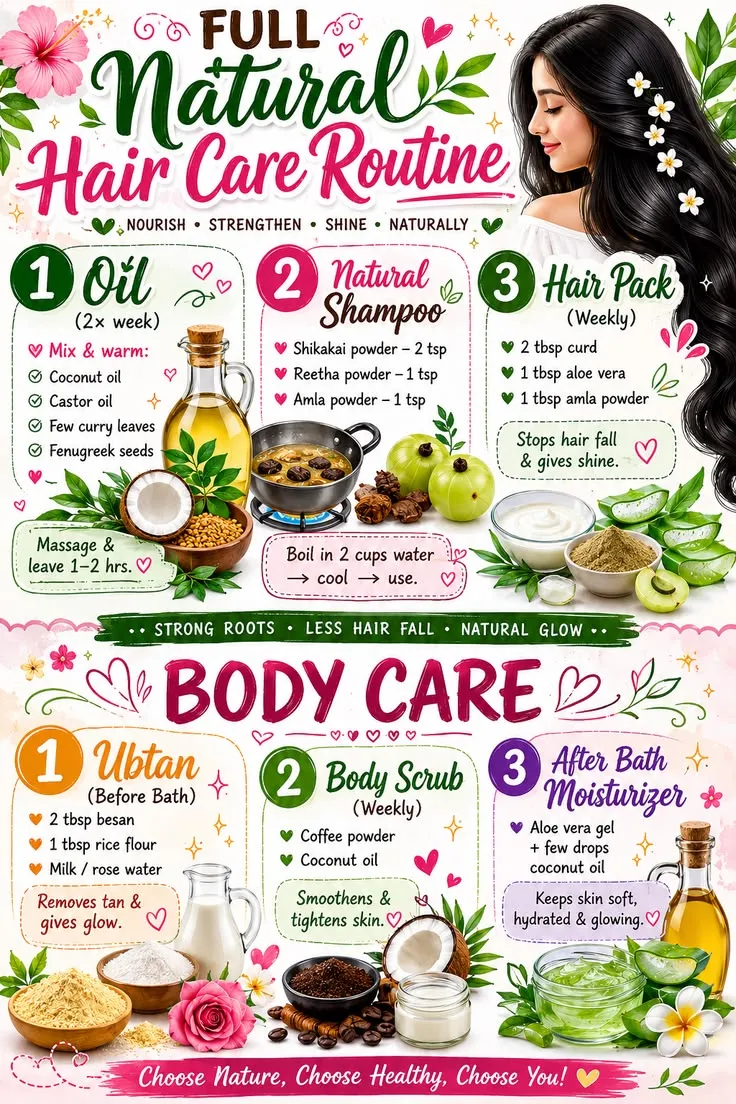
Combining Essential Oils With Healthy Beauty Habits
Essential oils work best when combined with a complete beauty routine.
Healthy skin and hair require multiple factors, including balanced nutrition, sufficient water intake, proper hygiene, regular cleansing, and protection from environmental damage.
Using essential oils alone cannot replace healthy lifestyle habits.
A balanced approach that combines natural ingredients with good skincare and haircare practices provides better long-term results.
Common Mistakes When Using Essential Oils
Many people make mistakes while using essential oils because they assume natural products are always risk-free.
One common mistake is applying concentrated oils directly to the skin without dilution.
Another mistake is using too many different oils at the same time, which may increase the possibility of irritation.
Some people also expect essential oils to provide instant results, but beauty improvements usually require consistent care and realistic expectations.
Using high-quality products and following proper application methods is important for safer use.
Choosing the Right Essential Oils for Your Needs
Selecting essential oils depends on individual skin type, hair condition, and personal preferences.
People with dry skin may prefer oils used in moisturizing routines, while those with oily skin may choose lighter formulations.
For haircare, the choice may depend on scalp condition, hair texture, and personal goals.
Understanding product ingredients and using oils appropriately helps create a more effective beauty routine.
The Growing Popularity of Natural Beauty Care
The demand for natural beauty products has increased as more people look for simple and plant-based approaches to personal care.
Essential oils fit into this trend because they offer a natural sensory experience and are commonly used in many beauty formulations.
However, effective beauty care requires a balanced approach. Natural ingredients should be used with proper knowledge and realistic expectations.
Frequently Asked Questions (FAQs)
Can essential oils improve skin health?
Essential oils can support skincare routines when used correctly, but results depend on individual skin type and overall care habits.
Are essential oils safe for hair?
Many essential oils are used in haircare products, but they should be diluted properly and used carefully to avoid irritation.
Can essential oils be applied directly to the skin?
Most essential oils should be diluted with carrier oils before applying to the skin because they are highly concentrated.
Conclusion
Essential oils have become valuable additions to many beauty care routines because of their natural properties, pleasant fragrances, and traditional uses in skincare and haircare. They can support healthy-looking skin, improve self-care experiences, and complement regular haircare practices.
However, proper usage is essential. Dilution, quality, and understanding personal skin and hair needs play an important role in achieving safe results.
When combined with healthy lifestyle habits, balanced nutrition, and consistent beauty care, essential oils can become a useful part of a natural approach toward maintaining healthy skin and hair.
How to Capture Better Travel Memories: Complete Guide
Travel is not only about visiting new places; it is about collecting experiences, emotions, and unforgettable moments. The memories created during a journey often become valuable stories that people share for years. Capturing these moments properly helps travelers preserve the beauty of their adventures and relive those experiences in the future.
With modern technology, travelers have many ways to record their journeys, from smartphone photography and videos to travel journals and creative storytelling. However, creating meaningful travel memories is not only about taking more pictures. It is about observing moments, understanding places, and capturing emotions that represent the true experience.
Whether you are exploring a new city, relaxing on a beach, hiking through nature, or experiencing local culture, learning how to capture better travel memories can make every trip more memorable.
Understand the Importance of Storytelling in Travel Memories
Great travel memories are created when photos and videos tell a story. A simple picture of a location may show where you were, but a meaningful image can show what you experienced.
Instead of only capturing famous landmarks, travelers should focus on small details, local traditions, people, food, architecture, and everyday moments. These elements create a complete picture of the journey.
A collection of thoughtful images can help you remember not only the destination but also the emotions and experiences connected to it.
Plan Before Capturing Moments
Good travel photography often begins with preparation. Before starting a trip, travelers should understand the destination, weather conditions, cultural events, and important locations.
Planning helps identify the best times to capture photos. For example, early morning and evening often provide softer natural lighting, which can improve image quality.
However, planning should not remove spontaneity. Some of the most memorable travel moments happen unexpectedly, so travelers should remain open to capturing unplanned experiences.
Use Natural Light Effectively
Lighting plays an important role in travel photography. Natural light can greatly influence the quality and mood of an image.
The early morning and late afternoon are often considered ideal times for photography because sunlight is softer and creates more balanced images.
During the middle of the day, strong sunlight can create harsh shadows, but creative angles and positioning can still produce interesting results.
Understanding how light affects photos helps travelers capture more professional-looking memories without requiring expensive equipment.
Focus on Composition and Creativity
Composition refers to how different elements are arranged within a photograph. Good composition can make travel images more attractive and meaningful.
Travelers can improve composition by considering the placement of subjects, backgrounds, lines, colors, and natural surroundings.
Instead of placing every subject in the center, experimenting with different angles can create more interesting images.
Including elements such as roads, buildings, mountains, or local objects can help create depth and make photographs feel more connected to the destination.
Capture Authentic Local Experiences
The most valuable travel memories often come from authentic experiences rather than only popular tourist attractions.
Photographs of local markets, traditional food, cultural activities, street scenes, and interactions with local communities can tell deeper stories.
Respect is important when capturing people and cultural moments. Travelers should always consider local customs and ask permission when photographing individuals.
Authentic images create stronger memories because they represent real experiences from the journey.
Take Fewer but More Meaningful Photos
Many travelers take hundreds of pictures but rarely revisit them later. Capturing too many random images can reduce the value of each memory.
Instead of taking photos without thought, travelers should focus on meaningful moments.
A carefully selected collection of photographs often tells a better story than thousands of similar images.
Taking time to observe a scene before capturing it can lead to more emotional and memorable results.
Improve Smartphone Photography Skills
Smartphones have become powerful tools for travel photography. Many travelers no longer need professional cameras to capture high-quality memories.
Learning basic smartphone photography techniques can significantly improve results.
Keeping the camera lens clean, using proper lighting, adjusting focus, and exploring camera settings can make images clearer and more balanced.
Travelers can also experiment with different perspectives, angles, and editing features to enhance their photos.
Record Travel Videos and Short Clips
Photos capture individual moments, but videos can preserve movement, sounds, and atmosphere.
Short video clips of landscapes, cultural performances, local streets, or personal experiences can make memories feel more realistic.
Travelers do not need to create complicated videos. Simple clips combined together can create a meaningful travel story.
Recording natural sounds, conversations, and environmental details can make travel memories more immersive.

Maintain a Travel Journal
Photography is powerful, but written memories add another layer to travel experiences.
A travel journal allows travelers to record thoughts, emotions, interesting events, and personal reflections.
Writing about a special meal, meeting a local person, visiting a unique location, or experiencing a new activity helps preserve details that photographs may not capture.
Years later, reading travel notes can bring back memories and emotions connected to the journey.
Organize and Protect Travel Memories
Capturing memories is only one part of the process. Organizing and protecting them ensures they remain available in the future.
Travelers should regularly organize photos, videos, and notes by destination or date.
Creating backups helps protect valuable memories from accidental loss.
Digital organization also makes it easier to revisit travel experiences and share them with friends and family.
Use Editing Carefully
Editing can improve travel photos, but it should enhance memories rather than change them completely.
Adjusting brightness, contrast, and colors can help images look better while maintaining a natural appearance.
Over-editing can make photos look unrealistic and remove the authentic feeling of the moment.
The goal of editing should be to highlight the beauty of the experience while preserving the original memory.
Capture Different Perspectives
Creative perspectives can make ordinary travel moments more interesting.
Instead of photographing everything from eye level, travelers can experiment with different viewpoints.
Capturing details from close distances, shooting from higher viewpoints, or using reflections can create unique images.
Different perspectives help create a more complete visual story of the journey.
Balance Photography With Enjoying the Moment
While capturing memories is important, travelers should also experience the journey without constantly focusing on cameras and devices.
Sometimes the most meaningful memories come from simply enjoying the surroundings.
A balanced approach allows travelers to capture special moments while remaining present during the experience.
The purpose of travel photography is to preserve memories, not to prevent people from enjoying them.
Common Mistakes Travelers Should Avoid
Many travelers focus only on taking pictures of famous places and miss the smaller details that make trips special.
Another common mistake is ignoring lighting, composition, or the importance of storytelling.
Travelers should also avoid spending the entire journey behind a camera screen.
The best travel memories come from a combination of thoughtful photography and genuine experiences.
Frequently Asked Questions (FAQs)
What is the best way to capture travel memories?
The best way is to combine photography, videos, journaling, and personal experiences to create a complete travel story.
Do I need an expensive camera for travel photography?
No, modern smartphones can capture excellent travel photos when used with proper techniques.
How can I make travel photos more meaningful?
Focus on emotions, local culture, unique details, and personal experiences instead of only famous locations.
Conclusion
Capturing better travel memories is about more than taking pictures. It is about preserving experiences, emotions, and stories that make each journey special.
By understanding photography basics, focusing on authentic moments, using technology wisely, and keeping personal records, travelers can create meaningful collections of memories.
The best travel photographs are not always the most perfect ones; they are the ones that bring back feelings, experiences, and stories from unforgettable adventures. With thoughtful preparation and creativity, every traveler can capture memories that last a lifetime.
Best Time to Visit Different Destinations for Perfect Trips
Choosing the right time to visit a destination can completely change the travel experience. Weather conditions, tourist crowds, local events, travel costs, and seasonal activities all play an important role in deciding the best time for a trip. A destination that feels perfect during one season may become less enjoyable during another due to extreme weather, high prices, or overcrowding.
Understanding the best time to visit different destinations helps travelers plan smarter journeys, save money, enjoy comfortable weather, and experience local attractions in the best possible conditions.
Whether you are planning a relaxing beach vacation, an adventurous mountain trip, a cultural exploration, or a wildlife experience, selecting the right travel season can make your journey more memorable and enjoyable.
Why Choosing the Right Travel Time Matters
Every destination has unique seasonal patterns that affect travel experiences. Some places are best visited during pleasant weather, while others become more attractive during special festivals or seasonal activities.
Traveling during the ideal season offers several benefits. Comfortable weather makes sightseeing easier, outdoor activities become more enjoyable, and travelers can explore destinations without major weather-related challenges.
The right timing can also help manage travel expenses. During peak tourist seasons, accommodation and transportation costs may increase, while off-season travel often provides better deals.
Understanding seasonal changes allows travelers to create a balanced travel plan based on their interests and budget.
Factors to Consider Before Planning a Trip
The best time to visit a destination depends on several factors. Weather is one of the most important considerations because it directly affects comfort and activities.
Tourist crowds also influence the travel experience. Popular destinations may become crowded during holidays and peak seasons, making attractions busier and increasing costs.
Travelers should also consider local festivals, cultural events, wildlife seasons, and special activities available during different months.
Personal preferences matter as well. Some travelers enjoy lively environments with many events, while others prefer peaceful experiences with fewer visitors.
Best Time to Visit Mountain Destinations
Mountain destinations attract travelers looking for scenic landscapes, adventure activities, peaceful surroundings, and cooler climates.
The ideal time to visit mountain regions usually depends on the type of experience travelers want. Spring and summer are often preferred for hiking, sightseeing, and exploring natural beauty because the weather is generally comfortable.
Autumn is also popular because many mountain areas offer beautiful landscapes with changing colors and pleasant temperatures.
Winter attracts visitors interested in snowfall, winter sports, and snowy landscapes. However, cold temperatures and road conditions should be considered before planning a winter mountain trip.
Travelers should research local weather patterns because mountain climates can change quickly.
Best Time to Visit Beach Destinations
Beach destinations are popular for relaxation, water activities, and coastal experiences.
The best time to visit beaches usually depends on weather conditions, humidity levels, and sea conditions. Many coastal locations are most enjoyable during dry seasons when travelers can comfortably enjoy outdoor activities.
Periods with moderate temperatures are ideal for swimming, sightseeing, and exploring nearby attractions.
Travelers should avoid seasons with heavy rainfall or extreme weather conditions because they may affect beach activities and transportation.
However, visiting beaches during less crowded periods can provide a more peaceful experience and better travel deals.
Best Time to Visit Historical and Cultural Destinations
Historical cities and cultural destinations can often be visited throughout the year, but certain seasons provide better experiences.
Mild weather conditions are usually preferred because travelers spend significant time exploring monuments, museums, markets, and outdoor attractions.
Cultural festivals and traditional events can also make a trip more memorable by providing opportunities to experience local traditions and celebrations.
However, festival periods may attract larger crowds, so travelers should plan accommodations and transportation in advance.
Researching local events helps visitors experience the cultural richness of a destination at the right time.

Best Time to Visit Wildlife Destinations
Wildlife tourism depends heavily on seasonal conditions because animal activity, weather, and park accessibility can change throughout the year.
Many wildlife destinations are best visited during dry seasons because animals often gather near water sources, making sightings easier.
Certain months may also provide better opportunities for bird watching, photography, or specific animal experiences.
Travelers should follow local guidelines and respect wildlife conservation rules when visiting natural areas.
Proper planning improves the chances of having a safe and rewarding wildlife experience.
Understanding Peak Season, Shoulder Season, and Off-Season
Travel seasons are generally divided into peak season, shoulder season, and off-season.
Peak season is the period when a destination receives the highest number of visitors. During this time, weather conditions are often ideal, but prices and crowds may be higher.
Shoulder season falls between peak and off-season. It often provides a balance between good weather, fewer crowds, and reasonable prices.
Off-season usually has fewer tourists and lower costs, but travelers may need to manage less favorable weather conditions.
Choosing between these seasons depends on personal preferences, budget, and travel goals.
How Weather Affects Travel Planning
Weather plays a major role in determining travel comfort and available activities.
Extreme heat can make outdoor exploration difficult, while heavy rainfall may affect transportation and sightseeing plans.
Cold weather can create beautiful experiences but may require additional preparation and suitable clothing.
Checking seasonal weather patterns before booking a trip helps travelers avoid unexpected difficulties.
Flexible planning allows travelers to adjust activities according to weather conditions.
Planning Trips According to Travel Goals
The perfect travel time depends on what travelers want from their journey.
Adventure travelers may prefer seasons suitable for trekking, water sports, or outdoor exploration.
Photography enthusiasts may choose seasons with better lighting, landscapes, or natural events.
Families may prefer comfortable weather and convenient travel conditions.
Budget travelers may choose less crowded periods to reduce expenses.
Understanding personal travel goals helps select the most suitable time for visiting any destination.
Tips for Planning the Perfect Trip
Travelers should research destinations several months before their planned journey. Early planning provides better accommodation options and helps manage costs.
Checking seasonal conditions, transportation availability, and local events can improve travel preparation.
Creating a flexible itinerary is also useful because unexpected weather changes or local situations may affect plans.
Packing according to the season ensures comfort and allows travelers to enjoy activities without difficulties.
A well-planned trip combines proper timing, preparation, and realistic expectations.
Common Mistakes When Choosing Travel Dates
Many travelers select dates only based on holidays without considering destination conditions.
Another common mistake is ignoring seasonal weather changes, which can negatively affect the travel experience.
Some travelers also underestimate the impact of peak-season crowds and higher prices.
Proper research before booking helps avoid these problems and creates a smoother travel experience.
Frequently Asked Questions (FAQs)
What is the best time to visit a destination?
The best time depends on weather, activities, budget, and personal travel preferences.
Is off-season travel a good option?
Yes, off-season travel can provide lower costs and fewer crowds, but travelers should consider possible weather limitations.
How can I find the best travel season?
Researching weather patterns, local events, tourist seasons, and destination activities can help identify the ideal travel period.
Conclusion
Choosing the best time to visit different destinations is an important part of successful travel planning. The right season can improve comfort, reduce expenses, and create better opportunities to enjoy local experiences.
By considering weather, crowds, activities, and personal preferences, travelers can plan journeys that match their expectations. Whether exploring mountains, beaches, cultural cities, or wildlife areas, proper timing helps create unforgettable travel experiences.
A well-planned trip is not only about where you go but also about when you choose to experience it. With thoughtful research and preparation, every traveler can enjoy a smoother and more memorable adventure.
Benefits of Simple Natural Beauty Practices for Healthy Glow
Natural beauty practices have become increasingly popular as people look for simple, healthy, and sustainable ways to care for their skin and overall appearance. Instead of depending only on complicated beauty routines or excessive products, many individuals are choosing balanced habits that support natural skin health and personal well-being.
Simple natural beauty practices focus on maintaining healthy skin, improving self-care routines, and creating long-term benefits through mindful choices. These practices often include proper hydration, balanced nutrition, regular skincare, sufficient sleep, stress management, and gentle care methods.
A natural glow does not come from a single product or quick solution. It develops through consistent habits that support the body from the inside and outside. By following simple beauty and self-care practices, people can improve their confidence while maintaining healthier skin and a better lifestyle.
Understanding Natural Beauty Practices
Natural beauty practices involve using simple methods that support the body’s natural processes and maintain overall skin health. These practices focus on prevention, nourishment, and consistency rather than temporary changes.
The goal of natural beauty care is not to achieve unrealistic perfection but to maintain healthy, comfortable, and balanced skin.
A good natural beauty routine considers individual skin type, lifestyle, environment, and personal needs. What works for one person may not work for another, so understanding your own skin and body is an important part of effective self-care.
Importance of a Consistent Skincare Routine
A consistent skincare routine is one of the foundations of natural beauty. Regular care helps maintain cleanliness, hydration, and protection of the skin.
A basic skincare routine usually includes gentle cleansing, moisturizing, and protection from environmental factors. Cleaning helps remove dirt, oil, and impurities, while moisturizing helps maintain the skin’s natural moisture balance.
Consistency is more important than using a large number of products. A simple routine followed regularly can often provide better results than frequently changing products.
Understanding your skin type also helps you choose suitable skincare methods and avoid unnecessary irritation.
The Role of Hydration in Natural Glow
Water plays an important role in maintaining overall health, including skin appearance. Proper hydration supports normal body functions and helps maintain skin moisture.
When the body does not receive enough fluids, skin may appear dry, tired, or less refreshed. Drinking enough water throughout the day supports healthy body functions and contributes to a more balanced appearance.
Hydration also comes from consuming water-rich foods such as fruits and vegetables. A healthy diet combined with adequate fluid intake supports natural beauty from within.
Healthy Nutrition for Better Skin Health
Beauty is closely connected with nutrition. The nutrients people consume can influence skin health, energy levels, and overall appearance.
A balanced diet containing fruits, vegetables, proteins, healthy fats, and essential nutrients supports the body’s natural repair processes.
Foods rich in vitamins, minerals, and antioxidants help protect the body from environmental stress and support healthy skin function.
Instead of focusing only on external treatments, maintaining a nutritious diet helps create a strong foundation for natural beauty.
Benefits of Natural Ingredients in Beauty Care
Many natural ingredients have been traditionally used in beauty routines because of their nourishing properties.
Ingredients such as aloe vera, honey, plant-based oils, and natural extracts are commonly used in skincare products due to their soothing and moisturizing qualities.
However, natural does not always mean suitable for everyone. Some people may experience sensitivity or allergic reactions to certain ingredients.
It is important to understand personal skin needs and test products carefully before including new ingredients in a routine.
Importance of Sleep for Natural Beauty
Quality sleep is an essential part of self-care and beauty.
During sleep, the body performs important recovery and repair processes. Poor sleep can affect energy levels, mood, and the overall appearance of the skin.
A regular sleep schedule supports physical and mental well-being. It can help people look more refreshed and feel more confident.
Combining proper sleep with skincare and healthy habits creates a more complete approach to natural beauty.
Exercise and Its Impact on Appearance
Regular physical activity supports overall health and can contribute to a natural glow.
Exercise improves circulation, which helps deliver oxygen and nutrients throughout the body. It also supports stress management and improves energy levels.
Activities such as walking, yoga, stretching, and other forms of exercise can become valuable parts of a self-care routine.
A healthy lifestyle that includes movement supports both physical appearance and emotional well-being.
Managing Stress for Better Self-Care
Stress can affect many aspects of health, including skin condition and overall appearance.
High stress levels may contribute to problems such as tired appearance, changes in skin condition, and reduced motivation for self-care.
Practices such as meditation, deep breathing, hobbies, spending time in nature, and maintaining healthy relationships can help manage stress.
Taking care of mental health is an important part of natural beauty because confidence and well-being influence how people feel about themselves.
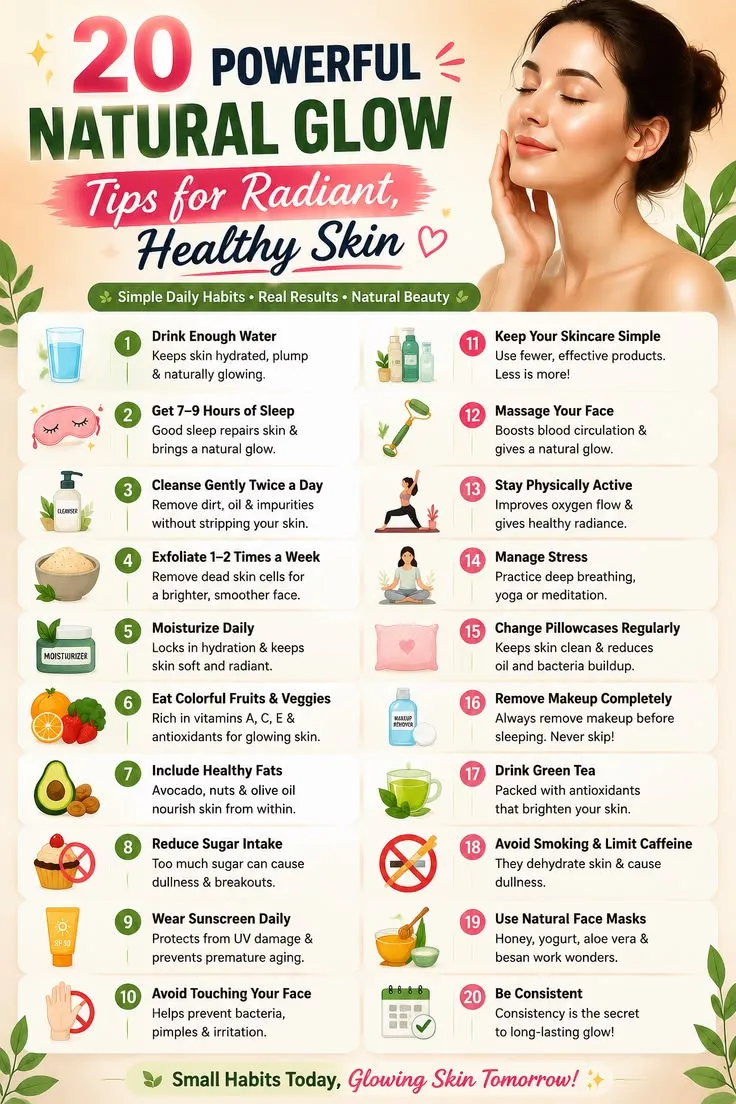
Protecting Skin From Environmental Damage
Daily exposure to environmental factors such as pollution, sunlight, and changing weather conditions can affect skin health.
Protecting the skin through suitable habits helps maintain its natural appearance.
Using sun protection, cleaning the skin after exposure to pollutants, and maintaining proper hydration are important steps for long-term skin care.
Environmental protection should be a regular part of any beauty routine.
Benefits of Minimal Beauty Routines
Many people are moving toward simpler beauty routines because they are easier to maintain and often more sustainable.
Using fewer but suitable products reduces unnecessary steps and allows individuals to focus on essential care.
Minimal routines also encourage people to understand their skin rather than constantly trying new products.
A simple approach can save time, reduce expenses, and create a healthier relationship with beauty and self-care.
Building Confidence Through Self-Care
Natural beauty practices are not only about appearance. They also support confidence and emotional well-being.
Taking time for self-care creates a positive connection between physical health and mental wellness.
Small daily habits, such as maintaining hygiene, caring for skin, eating well, and practicing relaxation, can improve how people feel about themselves.
True beauty is connected with confidence, comfort, and overall health.
Common Mistakes in Natural Beauty Care
Although natural beauty practices can be beneficial, some mistakes can reduce their effectiveness.
Using too many products, ignoring skin type, skipping sun protection, or expecting instant results can create problems.
Another common mistake is following beauty trends without understanding whether they are suitable for personal needs.
Successful beauty care requires patience, consistency, and awareness of individual requirements.
Long-Term Benefits of Natural Beauty Practices
Natural beauty practices provide long-term benefits by encouraging healthier habits and better self-care.
Instead of focusing only on temporary improvements, these practices support overall wellness and sustainable beauty.
Consistent habits such as healthy eating, proper hydration, regular skincare, exercise, and stress management create a balanced lifestyle.
Over time, these small choices can improve appearance, confidence, and quality of life.
Frequently Asked Questions (FAQs)
What are simple natural beauty practices?
Simple natural beauty practices include healthy eating, proper hydration, skincare, exercise, good sleep, and stress management.
Can natural beauty practices improve skin glow?
Yes, consistent healthy habits can support skin health and contribute to a more refreshed and natural appearance.
Are natural beauty products suitable for everyone?
Not always. Skin types differ, so individuals should choose products and ingredients based on their personal skin needs.
Conclusion
Simple natural beauty practices provide an effective way to support healthy skin, improve self-care, and develop a natural glow. Beauty is not only about external products but also about lifestyle choices that support overall health.
By focusing on hydration, nutrition, skincare, sleep, exercise, and stress management, individuals can create a balanced beauty routine that delivers long-term benefits.
Natural beauty comes from consistent care and healthy habits. When people prioritize self-care and listen to their body’s needs, they can build confidence and maintain a healthier, more positive lifestyle.
How to Choose Financial Products Based on Your Goals
Choosing the right financial products is an important step toward achieving personal financial goals. Every individual has different financial needs, whether it is building savings, planning retirement, purchasing a home, protecting family members, or creating long-term wealth. Selecting financial products without understanding personal goals can lead to poor decisions and missed opportunities.
Financial products such as savings accounts, insurance plans, investment options, and retirement schemes are designed to meet different objectives. The right choice depends on factors like financial goals, income, risk tolerance, investment duration, and future requirements.
A goal-based approach helps individuals select financial products that match their specific needs instead of choosing options based only on popularity or short-term returns. Understanding how different financial products work allows people to create a balanced and effective financial plan.
Understanding Your Financial Goals First
Before choosing any financial product, it is important to clearly identify financial goals. A financial goal represents a specific objective that requires money within a certain period.
Financial goals can be divided into three main categories: short-term, medium-term, and long-term goals.
Short-term goals usually involve expenses that may occur within a few months or years, such as creating an emergency fund, buying electronic items, or planning a vacation.
Medium-term goals may include saving for education, purchasing a vehicle, or preparing for a major financial commitment.
Long-term goals generally include retirement planning, wealth creation, and securing future financial independence.
Understanding the purpose and timeline of each goal helps determine which financial product may be suitable.
Evaluating Your Current Financial Situation
Before investing or purchasing financial products, individuals should evaluate their current financial position.
Important factors include monthly income, regular expenses, existing savings, debts, and financial responsibilities.
A person with stable income and fewer financial obligations may have different options compared to someone managing loans or family responsibilities.
Understanding your financial situation helps avoid choosing products that create unnecessary financial pressure.
A proper evaluation also helps determine how much money can be allocated toward savings, investments, and protection plans.
Choosing Financial Products for Saving Goals
Savings products are generally suitable for people who want to keep money safe while maintaining easy access.
Savings accounts, fixed deposits, and similar options can help individuals manage short-term financial needs and maintain financial security.
These products usually focus on safety and stability rather than high returns.
People saving for emergency funds or short-term requirements often prefer products that provide liquidity and lower risk.
However, it is important to compare factors such as interest rates, withdrawal flexibility, and financial institution reliability before choosing savings options.
Selecting Investment Products for Wealth Creation
Investment products are designed to help money grow over time.
Individuals with long-term financial goals may consider investment options that have the potential to generate higher returns compared to traditional savings products.
Different investment products carry different levels of risk. Some options may provide stable returns, while others may experience market fluctuations.
The right investment choice depends on factors such as investment duration, financial goals, and personal comfort with risk.
Long-term investors often focus on building diversified portfolios rather than depending on a single investment option.
Understanding Risk Before Choosing Financial Products
Risk assessment is one of the most important parts of selecting financial products.
Every financial product carries some level of risk, whether related to market changes, inflation, interest rates, or financial conditions.
A person’s risk tolerance depends on factors such as age, income stability, financial goals, and personal preferences.
Someone with a longer investment timeline may be able to handle more market fluctuations, while someone saving for an immediate goal may prefer safer options.
Understanding risk helps individuals choose products that match their financial comfort level.
Choosing Insurance Products for Financial Protection
Insurance products serve a different purpose compared to savings and investments. Their main objective is financial protection against unexpected events.
Health insurance, life insurance, and other protection plans help reduce financial stress during emergencies.
Choosing insurance should depend on personal responsibilities, family needs, income level, and potential risks.
The right insurance coverage provides financial support when unexpected situations affect income or expenses.
Insurance should be viewed as a protection tool rather than only an investment option.
Selecting Retirement Planning Products
Retirement planning requires long-term financial preparation.
Retirement-focused financial products help individuals create income sources for their future years when regular employment income may reduce.
Choosing retirement products depends on factors such as current age, retirement goals, expected lifestyle, and investment duration.
Starting retirement planning early allows individuals more time to build financial security.
A proper retirement strategy often includes a combination of savings, investments, and protection planning.

Matching Financial Products With Time Duration
The time required to achieve a financial goal plays a major role in product selection.
Short-term goals usually require products that provide safety and accessibility.
Long-term goals may allow individuals to consider products focused on growth and wealth creation.
Choosing a product without considering the time period can create problems. For example, using high-risk options for short-term needs may create uncertainty, while using only low-growth products for long-term goals may limit wealth creation.
Matching products with timelines creates better financial planning.
Considering Liquidity Requirements
Liquidity refers to how easily money can be accessed when needed.
Some financial products allow quick access to funds, while others may have restrictions or longer investment periods.
Individuals should consider whether they may need access to their money before selecting a product.
Emergency savings generally require high liquidity, while long-term investments may allow money to remain invested for extended periods.
Understanding liquidity helps maintain financial flexibility.
The Importance of Diversification
Diversification means spreading money across different financial products instead of depending on one option.
A diversified approach can help balance risk and improve financial stability.
For example, individuals may combine savings products, investments, and insurance based on their financial goals.
Diversification reduces dependence on a single financial source and helps create a more balanced financial plan.
However, diversification should be based on personal goals rather than simply choosing many products without purpose.
Avoiding Common Mistakes While Choosing Financial Products
Many people make financial decisions without proper research.
One common mistake is selecting products only because others are using them. Financial decisions should always be based on individual goals and circumstances.
Another mistake is focusing only on returns while ignoring risks, charges, and suitability.
People should also avoid investing without understanding how a product works.
Taking time to research, compare options, and understand terms can prevent financial mistakes.
Reviewing Financial Products Regularly
Financial goals and personal situations change over time.
Changes in income, family responsibilities, market conditions, and future plans may require adjustments in financial strategies.
Regularly reviewing financial products ensures they continue to match current goals.
A product that was suitable several years ago may not always remain the best choice in changing circumstances.
Regular reviews help maintain an effective financial plan.
The Role of Financial Knowledge
Financial knowledge plays an important role in making better decisions.
Understanding basic concepts such as risk, returns, inflation, savings, and investments helps individuals choose products more confidently.
Continuous learning allows people to evaluate financial options and avoid unsuitable decisions.
Financial awareness is a valuable skill that improves money management throughout life.
Frequently Asked Questions (FAQs)
How do I choose the right financial product?
Choose financial products based on your goals, investment duration, risk tolerance, income, and financial responsibilities.
Should I focus on returns when selecting financial products?
Returns are important, but they should be considered along with risk, safety, liquidity, and suitability for your goals.
Can one financial product meet all financial goals?
Usually, different goals require different financial products. A balanced combination often provides better financial planning.
Conclusion
Choosing financial products based on financial goals is an important part of successful money management. Instead of selecting products randomly, individuals should understand their objectives, evaluate their financial situation, and choose options that match their needs.
The right financial products can help achieve short-term requirements, provide protection, build wealth, and secure the future. By considering factors such as risk, duration, liquidity, and diversification, individuals can create a stronger financial strategy.
Good financial decisions come from proper planning and awareness. When financial products are selected according to personal goals, they become powerful tools for achieving financial stability and long-term success.
How Money Flow Works in Personal Finance: Beginner’s Guide
Understanding how money flows is one of the most important steps toward building strong personal finance habits. Many people earn money regularly but still struggle to manage expenses, save for the future, or achieve financial goals because they do not understand where their money goes.
Money flow in personal finance refers to the movement of money coming into your life through income and going out through expenses, savings, investments, and financial commitments. By understanding this flow, individuals can make better decisions, control spending, reduce financial stress, and build long-term financial stability.
A clear understanding of money flow helps beginners create effective budgets, manage cash, prepare for unexpected situations, and plan for important goals such as buying a home, education, retirement, or starting a business.
This guide explains how money flow works and how beginners can use this knowledge to improve their financial future.
What Is Money Flow in Personal Finance?
Money flow refers to the movement of funds between different financial activities. In personal finance, it mainly includes income, expenses, savings, investments, and debt payments.
Income represents the money you receive from sources such as salary, business earnings, freelance work, rental income, or other financial activities.
Expenses represent the money spent on daily needs, lifestyle choices, bills, and financial responsibilities.
Savings and investments represent the portion of money set aside for future needs and wealth creation.
Understanding this movement allows individuals to see their complete financial picture and make smarter decisions.
The Importance of Understanding Money Flow
Many financial problems occur because people do not track how money moves through their lives.
Without understanding money flow, individuals may spend more than they earn, depend heavily on credit, or fail to prepare for future expenses.
Managing money flow helps identify unnecessary spending, improve saving habits, and create financial discipline.
When people understand their income and expenses clearly, they can take better control of their financial choices instead of allowing money decisions to happen randomly.
A healthy money flow creates balance between enjoying the present and preparing for the future.
Understanding Income: The Starting Point of Money Flow
Income is the foundation of personal finance because it provides the resources needed to manage daily life and achieve financial goals.
For most people, salary is the primary source of income. However, additional sources such as investments, side businesses, freelance projects, and passive income can also contribute.
Understanding total income helps individuals determine how much money is available for spending, saving, and investing.
A strong financial plan begins with an accurate understanding of income because all other financial decisions depend on this amount.
Managing Expenses Effectively
Expenses are a major part of money flow because they determine how much money remains for savings and investments.
Expenses can generally be divided into two categories: essential and non-essential expenses.
Essential expenses include housing, food, transportation, healthcare, utilities, and other basic needs.
Non-essential expenses include entertainment, luxury purchases, dining out, and optional subscriptions.
Managing expenses does not mean avoiding all spending. Instead, it means making thoughtful choices and ensuring spending aligns with financial goals.
Tracking expenses helps individuals understand spending patterns and identify areas where improvements can be made.
The Role of Budgeting in Money Flow Management
A budget is a financial plan that shows how income will be allocated toward expenses, savings, and investments.
Budgeting helps individuals create a clear structure for their money.
A good budget allows people to cover necessary expenses while also making progress toward future goals.
Many budgeting methods encourage dividing income into categories such as needs, savings, investments, and personal spending.
The most important part of budgeting is creating a realistic plan that matches individual financial situations and maintaining consistency over time.
Building Savings Through Positive Money Flow
Savings are an essential part of healthy money management.
A positive money flow occurs when income is greater than expenses, allowing individuals to save money for future needs.
Savings provide financial security during emergencies and help people achieve short-term and long-term goals.
Examples of savings goals include building an emergency fund, planning vacations, purchasing expensive items, or preparing for future responsibilities.
Developing a regular saving habit, even with small amounts, can create significant financial benefits over time.

Understanding Investments and Wealth Growth
Saving money protects financial stability, but investing helps increase wealth over the long term.
Investments allow money to potentially grow through different financial instruments such as stocks, bonds, mutual funds, real estate, and other assets.
Understanding personal risk tolerance and financial goals is important before making investment decisions.
Investing should be approached with proper research and long-term planning rather than emotional decisions.
A balanced money flow often includes both savings for security and investments for future growth.
Managing Debt in Money Flow
Debt is another important part of personal finance management.
Loans and credit can help individuals achieve important goals, such as education, purchasing property, or managing large expenses.
However, excessive debt can negatively affect money flow by reducing the amount of income available for savings and investments.
Managing debt responsibly involves making timely payments, understanding interest costs, and avoiding unnecessary borrowing.
A healthy financial system ensures debt remains manageable and does not prevent progress toward financial goals.
Creating an Emergency Fund
Unexpected expenses can disrupt personal finances if there is no financial backup.
An emergency fund is money saved specifically for unexpected situations such as medical expenses, job loss, urgent repairs, or other emergencies.
Having an emergency fund improves financial confidence because individuals do not need to depend immediately on loans or credit cards during difficult situations.
Including emergency savings in money flow planning creates greater financial stability.
Using Money Flow to Achieve Financial Goals
Financial goals give direction to money management.
Goals may include buying a house, saving for education, starting a business, traveling, or preparing for retirement.
Understanding money flow helps individuals determine how much they need to save and invest to achieve these objectives.
Breaking large goals into smaller steps makes them easier to manage.
A clear connection between daily financial decisions and future goals encourages better money habits.
Improving Money Flow Through Better Financial Habits
Small financial habits can create major improvements over time.
Some useful habits include tracking expenses, avoiding unnecessary debt, saving regularly, reviewing financial plans, and learning about personal finance.
Automating savings and investments can also help maintain consistency.
Financial improvement does not happen overnight. It requires discipline, awareness, and continuous effort.
Better money habits create a stronger financial foundation.
Common Mistakes That Affect Money Flow
Many people experience financial difficulties because of common money management mistakes.
Spending without tracking expenses, ignoring savings, depending too much on credit, and failing to plan for future needs can negatively affect financial health.
Another mistake is focusing only on increasing income while ignoring spending habits.
Managing money effectively requires balancing income growth with responsible spending and planning.
Understanding these mistakes helps individuals avoid financial setbacks.
The Role of Financial Awareness
Financial awareness means understanding how money works and making informed decisions.
People with strong financial awareness are better prepared to manage income, control expenses, and plan for future needs.
Learning about budgeting, saving, investing, and debt management improves confidence and decision-making.
Financial education is a lifelong process that helps individuals adapt to changing financial situations.
Frequently Asked Questions (FAQs)
What is money flow in personal finance?
Money flow describes how money enters and leaves your financial system through income, expenses, savings, investments, and debt payments.
Why is understanding money flow important?
It helps individuals control spending, increase savings, manage debt, and make better financial decisions.
How can beginners improve their money flow?
Beginners can improve money flow by tracking expenses, creating a budget, saving regularly, reducing unnecessary spending, and planning financial goals.
Conclusion
Understanding how money flow works is a fundamental part of personal finance success. By knowing where money comes from and where it goes, individuals can create better financial habits and make informed decisions.
A healthy money flow involves balancing income, expenses, savings, investments, and debt management. With proper planning and discipline, beginners can improve financial stability, reduce stress, and work toward long-term financial goals.
Managing money is not only about earning more; it is about using available resources wisely. When individuals understand and control their money flow, they gain greater confidence and create a stronger foundation for a secure financial future.