Essential oils have become a popular part of modern beauty care routines because of their natural origin and traditional use in skincare and haircare practices. Extracted from different parts of plants, including flowers, leaves, roots, and seeds, essential oils contain concentrated plant compounds that are often used for their aromatic and skin-supporting properties.
Many people include essential oils in beauty routines to improve skin appearance, maintain scalp health, support relaxation, and create a more natural self-care experience. However, because essential oils are highly concentrated, they should be used carefully and correctly to avoid skin irritation.
Understanding how essential oils work, their common uses, and proper application methods can help individuals make better choices for healthy skin and hair care.
What Are Essential Oils?
Essential oils are concentrated extracts obtained from plants through methods such as steam distillation or cold pressing. These oils capture the natural fragrance and chemical compounds of plants.
Different essential oils have different characteristics depending on the plant source. For example, some oils are commonly used for their calming aroma, while others are valued for their refreshing or skin-conditioning properties.
Essential oils are widely used in cosmetics, personal care products, aromatherapy, and wellness routines. Their popularity comes from the growing interest in plant-based beauty solutions and natural self-care practices.
Benefits of Essential Oils in Beauty Care
Essential oils are used in beauty care because they can provide several supportive benefits when included properly in skincare and haircare routines.
Many essential oils contain natural compounds that may help support skin comfort, maintain moisture balance, and improve the overall sensory experience of beauty routines.
They are also commonly used for their pleasant fragrances, which can create a relaxing and enjoyable self-care environment.
However, essential oils should be considered a supportive addition to beauty care rather than a replacement for professional skincare treatments or medical solutions.
Essential Oils for Skin Care
Essential oils are often used in skincare products such as moisturizers, serums, facial oils, and cleansing products.
Some essential oils are popular because of their soothing properties and ability to complement regular skincare routines. They may help support healthy-looking skin when combined with proper cleansing, hydration, and sun protection.
For example, lavender oil is commonly used in beauty routines because of its calming properties and pleasant aroma. Tea tree oil is often included in skincare products designed for oily skin due to its traditional use in skin care formulations.
Different skin types respond differently to essential oils, so selecting suitable options based on personal needs is important.
Supporting Skin Moisture and Hydration
Maintaining skin moisture is an important part of healthy skin care. Some essential oils are used alongside carrier oils to create nourishing blends that support smooth and hydrated skin.
Essential oils are usually diluted with carrier oils such as coconut oil, jojoba oil, or almond oil before applying to the skin. This helps reduce the concentration and makes application safer.
A proper balance between oils, moisturizers, and hydration practices can support a healthy skincare routine.
Essential Oils for Hair Care
Essential oils are also commonly used in haircare routines because of their potential benefits for scalp and hair appearance.
Healthy hair begins with a healthy scalp. Some essential oils are included in scalp treatments, hair masks, and hair oils to support scalp care and improve the overall haircare experience.
For example, rosemary oil is often used in haircare routines because of its traditional association with scalp wellness. Peppermint oil is also used in some hair products for its refreshing sensation.
While essential oils can support haircare routines, healthy hair growth also depends on factors such as nutrition, genetics, lifestyle, and proper hair maintenance.
Essential Oils for Scalp Care
The scalp requires regular care just like the skin on the face and body.
Some essential oils are used in scalp massages because massage can help improve relaxation and create a better self-care experience.
When combined with suitable carrier oils, essential oils may help maintain scalp comfort and support a balanced haircare routine.
It is important to avoid applying undiluted essential oils directly to the scalp because concentrated oils may cause irritation or sensitivity in some individuals.
Popular Essential Oils Used in Beauty Care
Several essential oils are commonly used in beauty products and personal care routines.
Lavender oil is known for its relaxing fragrance and is frequently used in skincare and aromatherapy products.
Tea tree oil is commonly found in products designed for oily or blemish-prone skin because of its traditional cleansing properties.
Rose oil is popular in beauty products due to its luxurious fragrance and use in moisturizing formulations.
Rosemary oil is often included in haircare products because of its connection with scalp care routines.
Peppermint oil is used for its refreshing aroma and cooling sensation.
Each essential oil has unique characteristics, and choosing the right option depends on personal preferences and skin or hair needs.
Importance of Dilution and Safe Usage
Essential oils are highly concentrated and should be used carefully.
Applying essential oils directly to the skin without dilution may increase the risk of irritation, redness, or allergic reactions.
Most beauty applications involve mixing essential oils with carrier oils or adding them to properly formulated skincare and haircare products.
Before using a new essential oil, a patch test is recommended to check how the skin reacts.
People with sensitive skin, allergies, or specific skin conditions should be especially careful and consider professional advice when needed.
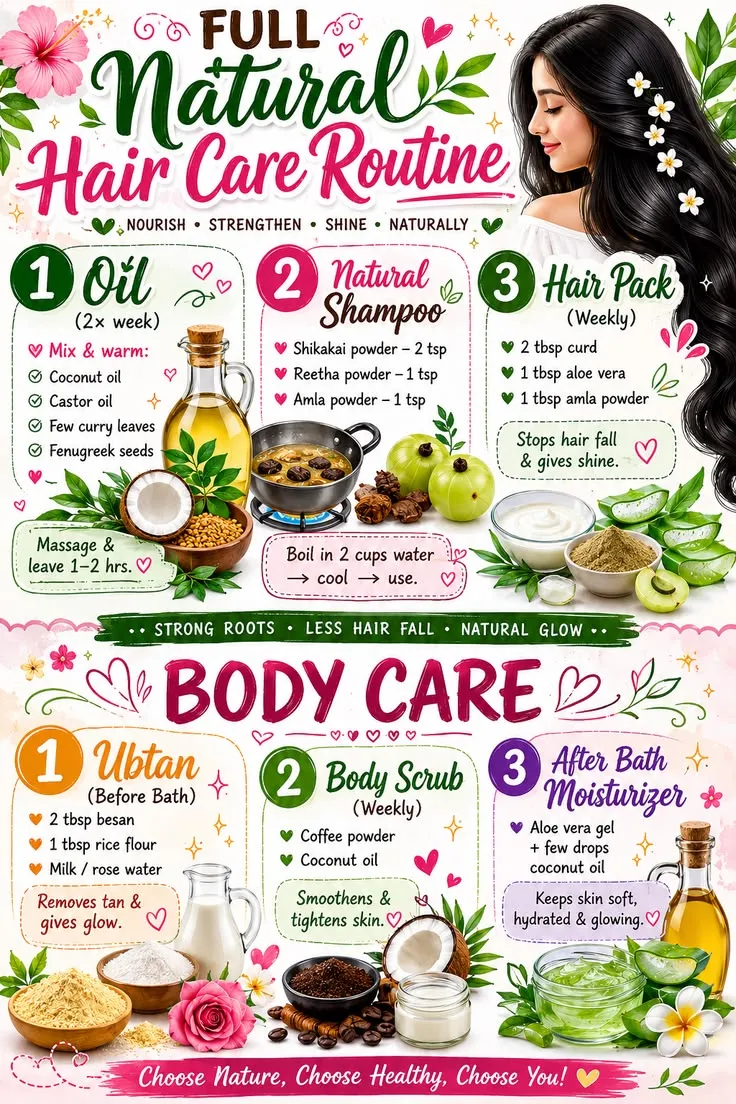
Combining Essential Oils With Healthy Beauty Habits
Essential oils work best when combined with a complete beauty routine.
Healthy skin and hair require multiple factors, including balanced nutrition, sufficient water intake, proper hygiene, regular cleansing, and protection from environmental damage.
Using essential oils alone cannot replace healthy lifestyle habits.
A balanced approach that combines natural ingredients with good skincare and haircare practices provides better long-term results.
Common Mistakes When Using Essential Oils
Many people make mistakes while using essential oils because they assume natural products are always risk-free.
One common mistake is applying concentrated oils directly to the skin without dilution.
Another mistake is using too many different oils at the same time, which may increase the possibility of irritation.
Some people also expect essential oils to provide instant results, but beauty improvements usually require consistent care and realistic expectations.
Using high-quality products and following proper application methods is important for safer use.
Choosing the Right Essential Oils for Your Needs
Selecting essential oils depends on individual skin type, hair condition, and personal preferences.
People with dry skin may prefer oils used in moisturizing routines, while those with oily skin may choose lighter formulations.
For haircare, the choice may depend on scalp condition, hair texture, and personal goals.
Understanding product ingredients and using oils appropriately helps create a more effective beauty routine.
The Growing Popularity of Natural Beauty Care
The demand for natural beauty products has increased as more people look for simple and plant-based approaches to personal care.
Essential oils fit into this trend because they offer a natural sensory experience and are commonly used in many beauty formulations.
However, effective beauty care requires a balanced approach. Natural ingredients should be used with proper knowledge and realistic expectations.
Frequently Asked Questions (FAQs)
Can essential oils improve skin health?
Essential oils can support skincare routines when used correctly, but results depend on individual skin type and overall care habits.
Are essential oils safe for hair?
Many essential oils are used in haircare products, but they should be diluted properly and used carefully to avoid irritation.
Can essential oils be applied directly to the skin?
Most essential oils should be diluted with carrier oils before applying to the skin because they are highly concentrated.
Conclusion
Essential oils have become valuable additions to many beauty care routines because of their natural properties, pleasant fragrances, and traditional uses in skincare and haircare. They can support healthy-looking skin, improve self-care experiences, and complement regular haircare practices.
However, proper usage is essential. Dilution, quality, and understanding personal skin and hair needs play an important role in achieving safe results.
When combined with healthy lifestyle habits, balanced nutrition, and consistent beauty care, essential oils can become a useful part of a natural approach toward maintaining healthy skin and hair.